
Welcome to the #Sweatyside. What we mean is that every polo field has two sides: the grandstand-with-pretty-people side & and the other side— where the work gets done. Texas Polo has always been on that side, with the horses, the trailers, the grooms, the felt bandages and the water hoses — in other words the #sweatyside. We like it there….join us. Quality goods for players and ponies since 1975.


Our Signature Product
The Texas Polo® Ball is the foundation of our company and a benchmark in modern polo. Founder Vincent Meyer engineered the first high-performance plastic polo ball, precisely replicating the sound, feel, and touch of premium willow wood through advanced manufacturing technology. Today, it’s trusted by polo clubs worldwide for its consistency and durability.
Featured Collection
-
Texas Polo Balls
Regular price $539.00 USDRegular priceUnit price per -
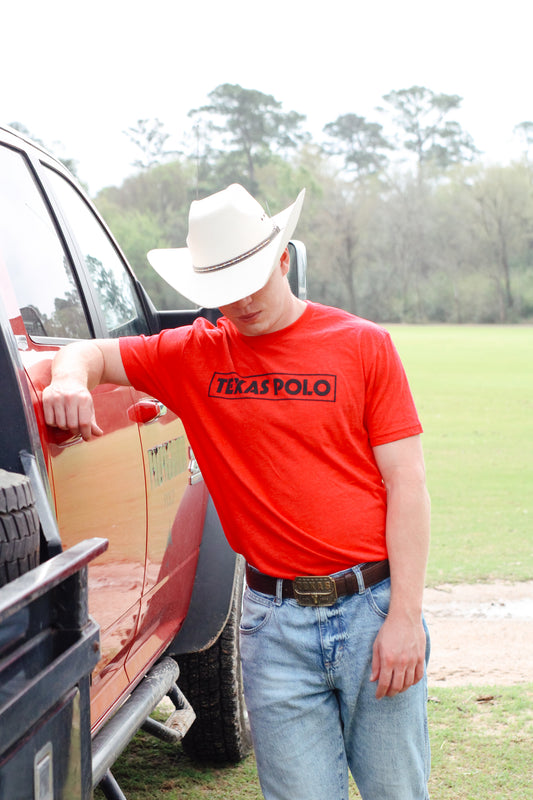
Adult Texas Polo T-Shirt
Regular price $35.00 USDRegular priceUnit price per -
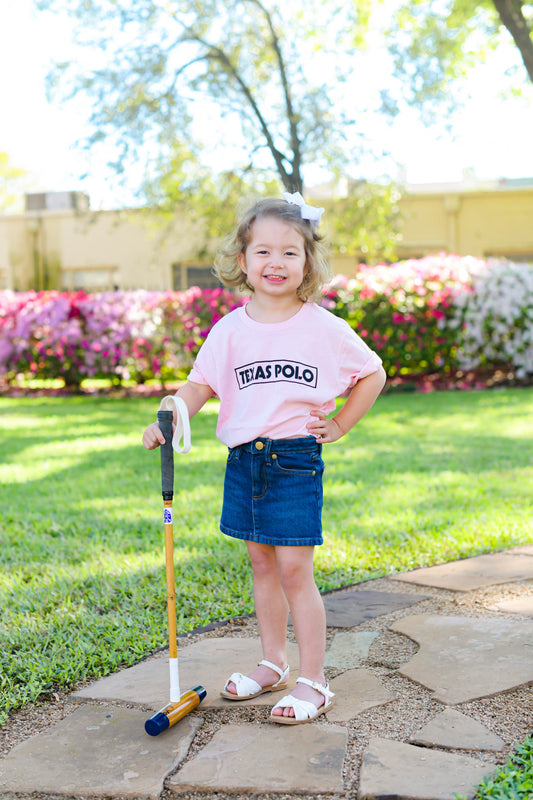
Kids Texas Polo T-Shirt
Regular price $35.00 USDRegular priceUnit price per



The evolution of the modern polo ball
NEW BALL GAME
Polo traces its origins back more than two millennia. The name of the sport comes from the word pulu, which means “ball” in the Tibetan dialect of Balti. British tea planters and military officers in northeast India adopted this local, high-speed horseback activity and exported it around the world. While the speed of the game, the athleticism of the ponies and the skills of the players often command the most attention, one small object has quietly shaped how polo is played: the ball itself. Every game is ultimately decided by mallet heads meeting the ball surface and generating a result – forward or backward, intended or unintended. The evolution of the polo ball – from carved wood to modern plastic – mirrors the broader story of tradition meeting innovation.
Early forms of polo, played in Persia and Central Asia, used balls fashioned from natural materials readily at hand. Historical accounts describe balls carved from willow root or made from bamboo, prized for their availability and hardness. These early balls were far from uniform. Weight, balance and durability varied widely, introducing an element of randomness at times as the game unfolded on the field. As polo spread through India and later into Europe, these wooden and bamboo balls remained standard equipment.
By the 19th and early 20th centuries, wooden polo balls – often made from willow – were the accepted norm in England, Argentina and the United States. They produced a distinctive sound off the mallet and rewarded clean striking. Yet, they came with serious drawbacks. Wooden balls chipped, absorbed moisture and could splinter, sometimes breaking mallet heads or sending fragments across the field. In wet conditions, they grew heavy and unpredictable, altering both safety and style of play.